

Dummy Blog Post 4
- Author: Dummy Author 1
- Published:
- Category: Dummy Category 1
At GW Systems, we’ve spent decades designing and building custom bulk material handling solutions that keep mines running safely and efficiently. Today, we’re seeing a profound shift: the rise of autonomous plants powered by AI is reshaping the mining industry in ways that deliver real, lasting benefits.
Autonomous haul trucks, drills, loaders, and fully integrated processing plants are no longer science fiction. Mines around the world are already operating with AI-driven fleets that run 24/7 without fatigue, use real-time data to optimize every load, and make split-second decisions that improve safety and throughput.
The Long-Term Wins for Mining
1. Dramatically Safer Operations
AI and autonomy remove people from the most hazardous areas such as highwalls, blasting zones, underground drifts, and heavy-equipment traffic routes. Real-world results show incident reductions of 70–90%. Predictive maintenance algorithms spot equipment issues before they become failures, and computer vision systems flag safety violations or near-misses in real time. The result? Fewer injuries, lower insurance costs, and a workforce that can focus on higher-value work instead of constant risk.
2. Higher Productivity and Sustainability
Autonomous systems operate continuously, eliminating shift-change downtime and human-error slowdowns. Productivity gains of 15–40% are now common, with some operations reporting 25%+ improvements by 2026. AI also optimizes ore grade control, reduces waste, and cuts energy and water use which in turn directly shrinks the environmental footprint. Battery-electric autonomous fleets (already being deployed at scale) are slashing diesel consumption and Scope 1 emissions.
3. Better Quality and Consistency
Here’s where many people get it wrong: autonomy doesn’t lower quality in fact it raises it. AI delivers precise, repeatable performance every single time. No more variation caused by fatigue, weather, or operator differences. Real-time sensors and machine-learning models maintain tighter tolerances on material flow, crushing, screening, and conveying. The result is more consistent product quality, fewer reworks, and higher recovery rates which is exactly what our clients in mining demand from their bulk material handling systems.
But What About Jobs?
This is the question we hear most often, and the answer is clear: AI and autonomous plants are not eliminating jobs — they are evolving them.
Repetitive, dangerous manual tasks are being automated, but this creates demand for new, higher-skilled roles: remote operations centers, data analysts, AI system supervisors, predictive maintenance technicians, robotics specialists, and digital-twin engineers.
Mines facing chronic labor shortages are using autonomy to attract a broader talent pool including women, veterans, and older workers who can now contribute from safer control-room environments.
Companies investing in autonomy are also investing heavily in upskilling. The human element remains central: people still design the systems, interpret the data, solve complex problems, and drive continuous improvement.
In short, the total number of jobs isn’t shrinking — it’s shifting toward more rewarding, technical, and safer careers. The industry that once asked workers to risk their lives in harsh conditions is now asking them to master technology that protects both people and the planet.
How GW Systems Fits In
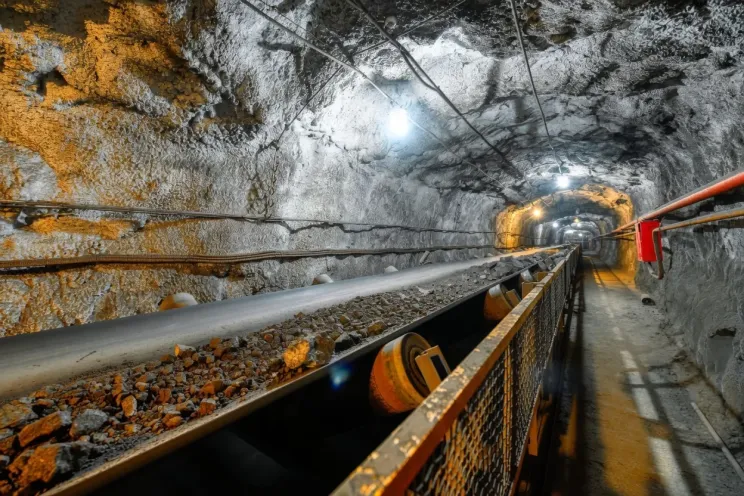
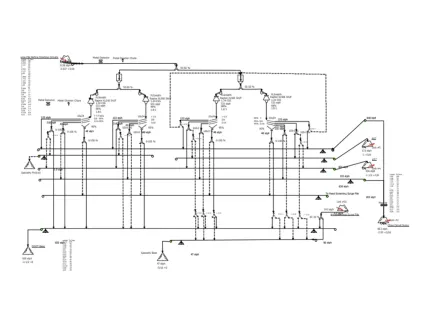
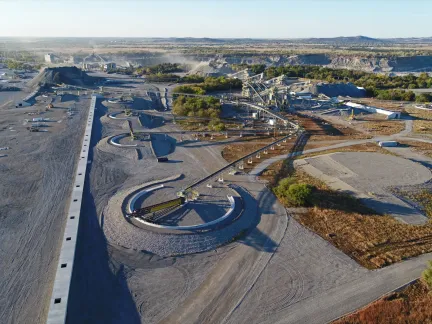
As a proven design-build turnkey provider, GW Systems is right in the middle of this transformation. Our custom bulk material handling systems including conveyors, stockpiles, load-out stations, and integrated processing solutions are the backbone of autonomous plants. We design them from day one to interface seamlessly with AI-driven fleets, real-time monitoring platforms, and predictive analytics.
Whether it’s retrofitting an existing operation or building a greenfield autonomous facility, our team ensures the material flow keeps pace with smarter equipment upstream and downstream. The result is a fully optimized, future-ready plant that delivers safety, efficiency, and quality gains for decades to come.
The mining industry isn’t going away — it’s getting smarter. And at GW Systems, we’re proud to help our clients lead that change.

Frequently Asked Questions
Common questions readers ask about this topic
-
Do autonomous plants and AI reduce the number of jobs in mining?
No. Autonomous systems shift jobs rather than eliminate them. Repetitive and dangerous manual tasks get automated, which creates demand for higher-skilled roles like remote operations, data analysis, AI system supervision, predictive maintenance, and digital-twin engineering. People still design the systems, interpret the data, and drive continuous improvement.
-
How does automation improve safety in mining operations?
Automation removes people from the most hazardous areas, including highwalls, blasting zones, underground drifts, and heavy-equipment traffic routes. Predictive maintenance flags equipment issues before they fail, and computer vision systems catch safety violations and near-misses in real time. Operations adopting these systems have reported incident reductions in the range of 70 to 90 percent.
-
Does automation lower product quality?
It does the opposite. AI delivers precise, repeatable performance without the variation caused by fatigue, weather, or operator differences. Real-time sensors and machine-learning models hold tighter tolerances on material flow, crushing, screening, and conveying, which leads to more consistent product quality, fewer reworks, and higher recovery rates.
-
What productivity gains can autonomous operations expect?
Autonomous systems run continuously, eliminating shift-change downtime and human-error slowdowns. Productivity gains of 15 to 40 percent are now common, with some operations reporting improvements above 25 percent. AI also optimizes ore grade control, reduces waste, and cuts energy and water use, which lowers the operation's environmental footprint.
-
How do GW Systems' bulk material handling systems support autonomous plants?
GW's custom systems, including conveyors, stockpiles, load-out stations, and integrated processing solutions, form the backbone of autonomous plants. They are designed to interface with AI-driven fleets, real-time monitoring platforms, and predictive analytics, whether retrofitting an existing operation or building a greenfield facility, so material flow keeps pace with smarter equipment upstream and downstream.
From the Field
Insights on bulk material handling, project delivery, and the industries we serve.
Dummy Blog Post 1
Dummy text for testing. This placeholder copy will be replaced with real content.
Dummy Blog Post 2
Dummy text for testing. This placeholder copy will be replaced with real content.
Dummy Blog Post 3
Dummy text for testing. This placeholder copy will be replaced with real content.
The GW Systems Capabilities Behind What You Just Read
The services that put this thinking into practice






When You're Ready, We're Here
Start a conversation about your project whenever the timing is right for you.